
ความเป็นมาของ AFR Wide Band
เดิมทีรถยนต์และมอเตอร์ไซค์ใช้เซ็นเซอร์ออกซิเจนแบบ Narrowband O2 Sensor ซึ่งวัดค่าอากาศ–น้ำมันได้เพียงช่วงแคบ ทำให้รู้แค่คร่าว ๆ ว่าส่วนผสม “บางหรือหนา” แต่ไม่แม่นยำเพียงพอสำหรับงานจูนเครื่องยนต์หรือการเพิ่มสมรรถนะ เมื่อเทคโนโลยีเครื่องยนต์และระบบจ่ายเชื้อเพลิงพัฒนาอย่างรวดเร็ว โดยเฉพาะในวงการรถแข่งและรถแต่ง จึงเกิดความต้องการเครื่องมือวัด AFR ที่ละเอียดกว่า แม่นยำกว่า และตอบสนองทันที
จากความต้องการนี้ ผู้พัฒนาเทคโนโลยียานยนต์จึงสร้าง AFR Wide Band (Wideband O2 Sensor/System) ขึ้นมา เพื่อวัดอัตราส่วนอากาศ–น้ำมันในช่วงกว้างและละเอียดระดับทศนิยม ทำให้ช่างจูนและผู้ใช้งานสามารถปรับแต่งเครื่องยนต์ได้ตรงจุด ลดความเสียหายจากการจุดระเบิดผิดปกติ ช่วยเพิ่มกำลัง ประหยัดเชื้อเพลิง และยกระดับมาตรฐานการจูนเครื่องยนต์ไปสู่ความแม่นยำแบบมืออาชีพ จนกลายเป็นอุปกรณ์สำคัญที่ขาดไม่ได้ในวงการจูนยุคปัจจุบัน
Originally, most vehicles relied on Narrowband O2 Sensors, which could only detect a limited range of air–fuel conditions—simply indicating whether the mixture was lean or rich. While sufficient for basic engine control, it lacked the precision required for performance tuning, racing, and high-output engines. As engine technology advanced and tuning became more sophisticated, the need for a more accurate and responsive AFR measuring system emerged.
This led to the development of the AFR Wide Band (Wideband Oxygen Sensor/System), engineered to measure air–fuel ratios across a broader and more precise range. Its faster response and high accuracy allowed tuners and engineers to fine-tune engines for optimal power, safety, and fuel efficiency. Today, the AFR Wide Band has become an essential tool in professional tuning, performance upgrades, and modern engine diagnostics.
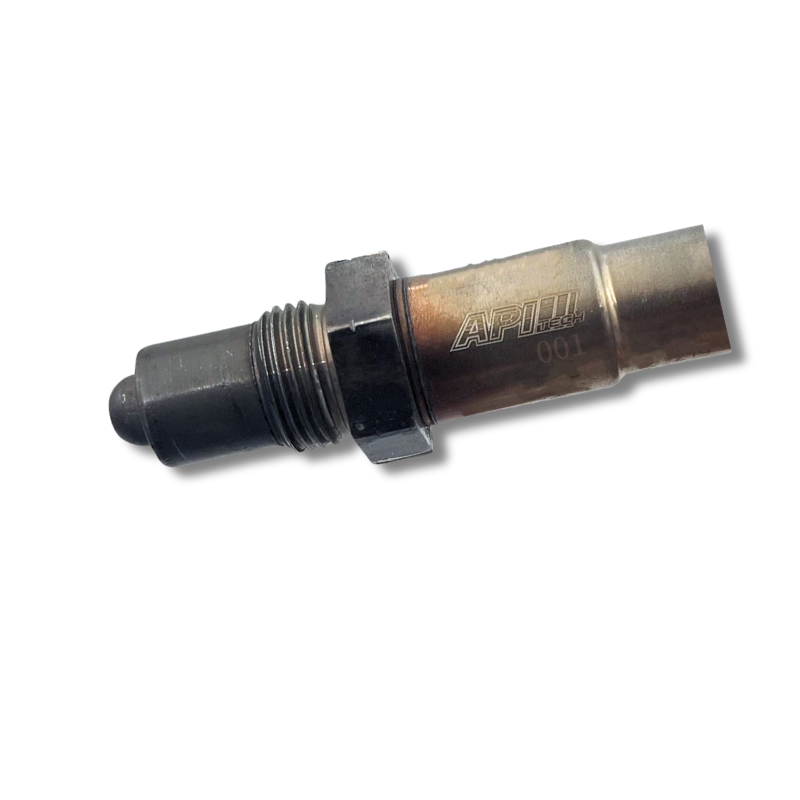
หลักการทำงาน
- วัด ออกซิเจนในไอเสีย
แปลงเป็น สัญญาณไฟฟ้า
วัดว่า อัตราส่วนอากาศ/น้ำมัน เป็นยังไง
แสดงค่าให้ คนจูนรถปรับน้ำมัน → ป้องกันร้อนเกินและไฟเกิน
- Measure oxygen in the exhaust
Convert it into an electrical signal
Determine the air/fuel ratio
Display the value so the tuner can adjust fuel → prevents overheating and overvoltage
