
Data Link
PC Tune Cable
01
02
03
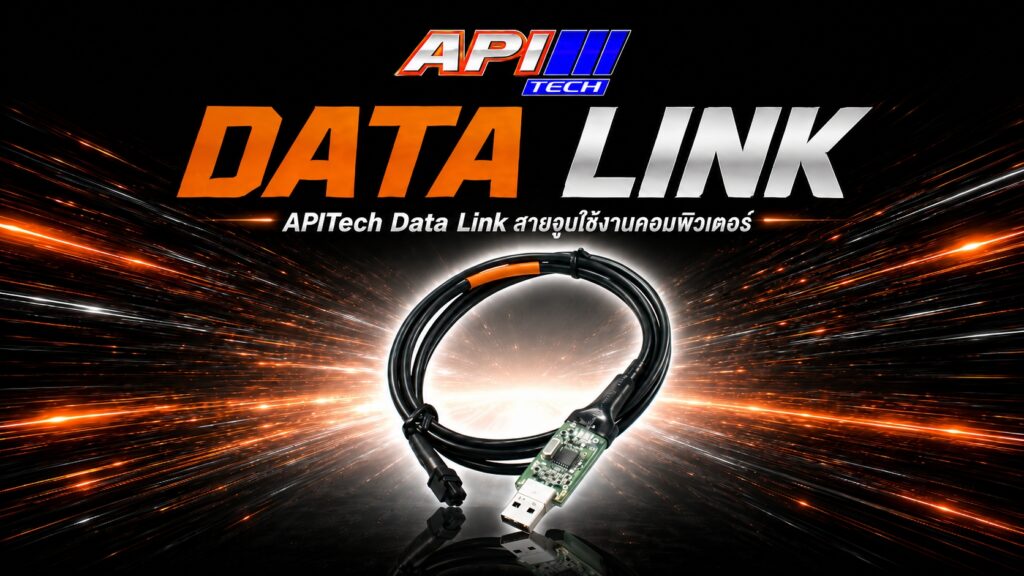
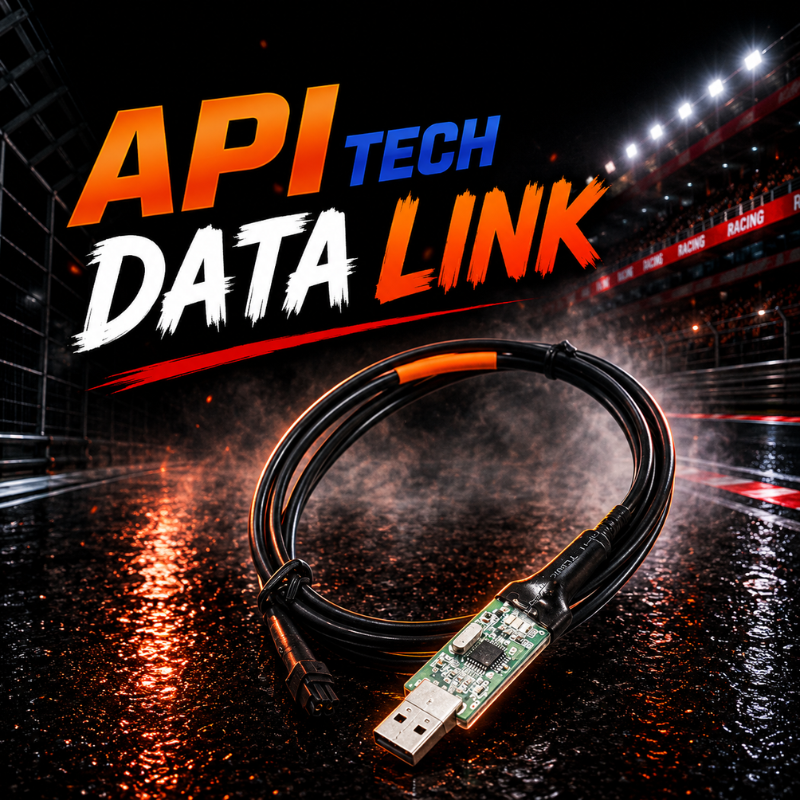
สายเชื่อมต่อสำหรับจูน · ECM Tune Data Cable
DATA LINK
API Tech ECM 8.9 / 9.0 / 9.1
สายจูนคุณภาพสูง สำหรับกล่อง ECM API Tech ทุกรุ่น
เชื่อมต่อกล่อง ECM กับคอมพิวเตอร์ได้ทันที ปรับแต่งได้แม่นยำและละเอียด
✓ รองรับ ECM 8.9/9.0/9.1 ✓ จูนแม่นยำ ✓ วัสดุคุณภาพสูง
เชื่อมต่อกล่อง ECM กับคอมพิวเตอร์ได้ทันที ปรับแต่งได้แม่นยำและละเอียด
✓ รองรับ ECM 8.9/9.0/9.1 ✓ จูนแม่นยำ ✓ วัสดุคุณภาพสูง
Type
ประเภท
Data Cable
Compat
รองรับ ECM
8.9 / 9.0 / 9.1
Connect
เชื่อมต่อ
PC / Windows
Build
วัสดุ
คุณภาพสูง
฿1,500
จัดส่งฟรีทั่วประเทศ · Free shipping nationwide
สินค้าคงเหลือ / Stock
72%
8.9
ECM V.8.9
รองรับ ✓
9.0
ECM V.9.0
รองรับ ✓
9.1
ECM V.9.1
รองรับ ✓
Windows PCเชื่อมต่อและจูนผ่านคอมพิวเตอร์ได้ทันที
Plug & Tuneเสียบแล้วจูนได้เลย ง่ายและรวดเร็ว
คุณสมบัติ / Features
รองรับ ECM 8.9/9.0/9.1All APITech ECM Models
จูนแม่นยำสูงHigh Precision Tune
เชื่อมต่อ PC ทันทีInstant PC Connection
ปรับแต่งละเอียดFine-grain Adjustment
วัสดุคุณภาพสูงHigh Quality Material
ทนทานใช้งานนานLong Lasting
เพิ่มสมรรถนะเครื่องEngine Performance Up
ใช้งานง่ายEasy to Use
