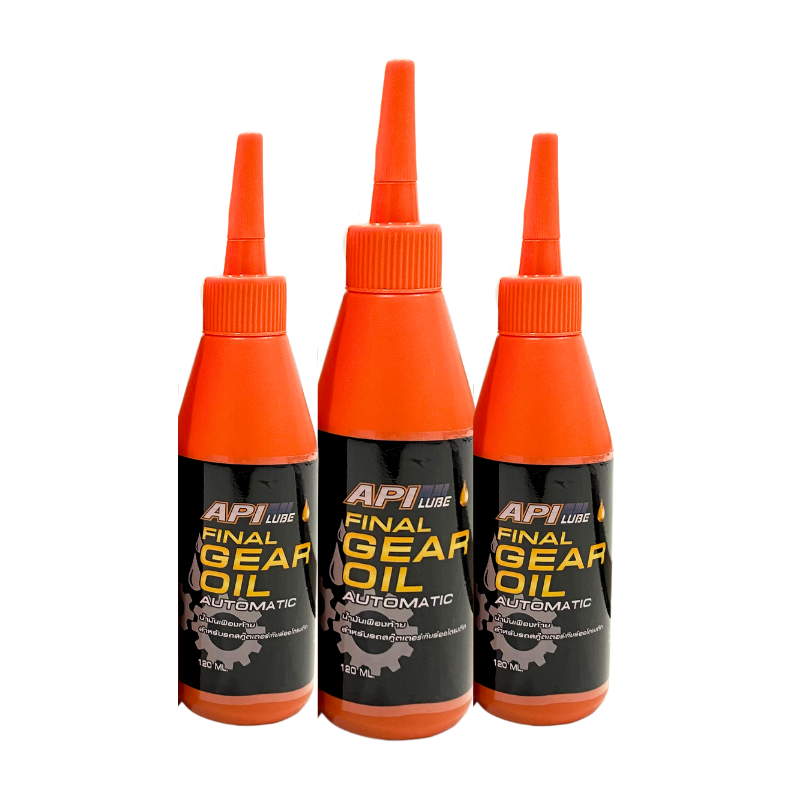
ความเป็นมาของ Ger oil
ประวัติของน้ำมันเกียร์เริ่มต้นจากการใช้ไขมันสัตว์เพื่อหล่อลื่นเพลาล้อในยุคโบราณ ก่อนจะพัฒนาเป็นการใช้น้ำมันแร่ (Mineral Oil) ในช่วงปฏิวัติอุตสาหกรรม ซึ่งเพียงพอต่อการใช้งานกับเกียร์แบบฟันตรง แต่จุดเปลี่ยนสำคัญที่สุดคือการคิดค้น เฟืองท้ายแบบไฮปอยด์ (Hypoid Gear) ในช่วงปี 1920s-1930s ซึ่งสร้างแรงเสียดทานและแรงกดมหาศาลที่น้ำมันแร่ธรรมดาไม่สามารถทนทานได้ นักเคมีจึงต้องพัฒนาน้ำมันโดยการเพิ่ม สารเติมแต่งแรงกดสูง (Extreme Pressure - EP) ที่ประกอบด้วยกำมะถันและฟอสฟอรัสเข้าไป เพื่อสร้างชั้นฟิล์มเคมีแข็งเคลือบผิวเฟืองให้ทนทานต่อการขบกันแบบสไลด์ การพัฒนาครั้งนี้จึงเป็นรากฐานของการจัดตั้งมาตรฐาน API (เช่น GL-4, GL-5) และกำเนิดน้ำมันเกียร์ประสิทธิภาพสูงที่เราใช้กันในปัจจุบัน
The history of gear oil began with the use of animal fats to lubricate axles in ancient times, later evolving into the use of mineral oil during the Industrial Revolution, which was sufficient for basic straight-cut gears. However, the most significant turning point came with the invention of the Hypoid Gear (Differential) in the 1920s–1930s, which generated immense friction and pressure that simple mineral oil could not endure. To solve this, chemists developed the oil by incorporating Extreme Pressure (EP) additives, consisting primarily of sulfur and phosphorus, which form a hard chemical film on the gear surfaces to resist severe sliding friction. This breakthrough led to the establishment of API standards (such as GL-4 and GL-5) and the birth of the high-performance gear oil used in modern vehicles today.